
 11 August 2026
 Share
Share
1
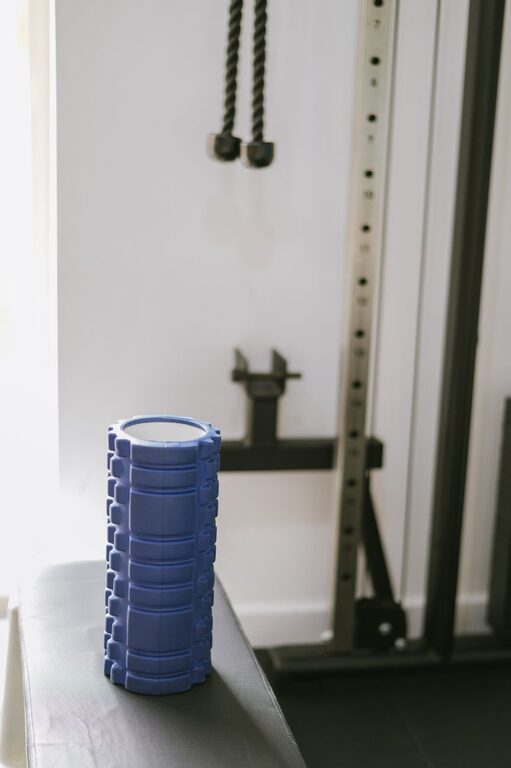
Creating a home workout space does not require a large room, expensive equipment, or a major renovation. With a little planning, you can turn a corner of a bedroom, living room, garage, or spare room into a comfortable area for movement.
The goal is to create a space that feels inviting, supports a variety of exercises, and helps you work out safely. Focus on clear flooring, good lighting, useful equipment, and simple storage. A well-planned setup can make it easier to stay consistent without making your home feel crowded.
Start by choosing a space that gives you enough room to move freely. You should be able to stand, stretch your arms, step in different directions, and lie down without bumping into furniture or walls.
Good options may include:
– A corner of a bedroom or living room
– A section of a home office
– A spare room
– A finished basement
– A garage with a suitable floor and temperature
– An outdoor patio or covered area
Consider how the space will be used throughout the day. A workout area near a television may be convenient, but it can also become distracting. A corner that is easy to access and quick to tidy may encourage more regular use.
Avoid placing workout equipment in busy walkways, near sharp furniture edges, or close to doors that open into the exercise area. If you share your home with children or pets, choose a location where equipment can be stored securely when it is not in use.
Before buying equipment, measure the floor area and ceiling height. This simple step can prevent crowded conditions and help you choose items that fit comfortably.
For many basic workouts, you need enough space to:
– Stand with your arms extended
– Lie flat on a mat
– Step forward, backward, and side to side
– Bend and reach without hitting nearby objects
– Store equipment without blocking a doorway
If you plan to use a jump rope, resistance bands, or equipment that requires overhead movement, check the ceiling and surrounding walls. Keep fans, light fixtures, shelves, and hanging decorations safely out of reach.
A smaller space can still work well. Instead of trying to include every type of equipment, choose items that serve several purposes and can be stored easily.
The floor is one of the most important parts of a home workout space. It should be level, dry, and free from loose rugs or clutter that could cause you to slip or trip.
A fitness mat can add comfort and help define the workout area. Choose a mat that stays in place and is large enough for the activities you plan to do. A thicker mat may provide more cushioning for floor exercises, while a firmer mat may feel better for balance-focused movements.
For heavier equipment, consider protective flooring designed for exercise areas. Interlocking rubber tiles can help protect floors and reduce noise. If you work out on carpet, make sure the surface is firm and does not allow equipment to wobble.
Before each session, check that:
– The floor is dry
– The mat lies flat
– There are no loose cords nearby
– Equipment is stable
– The exercise area is free of clutter
Good lighting helps you see your surroundings and maintain awareness of your movements. Natural light can make the area feel more pleasant, but adjustable lamps or ceiling lights are useful when exercising in the early morning or evening.
Avoid placing bright lights directly in your eyes. If your workout area is in a basement or garage, add enough lighting to see the floor, equipment, and nearby obstacles clearly.
Fresh air can also make the space more comfortable. Open a window when practical, use a fan to improve airflow, or choose a room with good ventilation. Keep fans positioned so that cords do not cross the area where you move.
Temperature matters as well. A room that is too hot, cold, or humid may make exercise unpleasant and can affect how safely you use equipment. Aim for a comfortable environment and take breaks when needed.
You can create an effective home workout space with a small collection of basic items. Start with equipment that supports your preferred activities rather than buying everything at once.
Useful options include:
– A well-sized exercise mat
– Resistance bands
– Light hand weights
– A stability ball, if you have room to store it
– A jump rope for suitable spaces
– A sturdy step platform
– A towel and water bottle
– A timer or phone stand
Choose equipment that is easy to use, simple to store, and appropriate for your available space. If you buy weights, keep them on a stable surface when not in use. Inspect resistance bands regularly for cracks, worn areas, or other signs of damage.
Avoid using household furniture as exercise equipment unless it is sturdy, stable, and designed to support the movement. A lightweight chair, folding table, or rolling stool may shift unexpectedly.
Good storage keeps your workout space organized and reduces the chance of trips or damaged equipment. Use a basket, shelf, cabinet, or storage bench for smaller items.
Helpful storage ideas include:
– A wall rack for resistance bands
– A basket for towels and small accessories
– A vertical stand for mats
– A low shelf for weights
– Hooks for jump ropes
– A lidded container for small items
Store heavier equipment on lower shelves so it is less likely to fall. Keep frequently used items easy to reach, but avoid stacking objects where they could slide or topple.
When you finish exercising, return each item to its storage location. A quick cleanup makes the area ready for your next session and keeps shared rooms usable for other activities.
A safe workout area can become unsafe if furniture, bags, toys, or cords are left nearby. Make a brief inspection part of your routine.
Look for:
– Loose rugs
– Wet spots
– Phone and charger cords
– Low furniture
– Unstable tables or chairs
– Clutter on the floor
– Pets or children entering the space
– Equipment with visible damage
If you follow workout videos, place your screen where you can see it without turning your body awkwardly. Keep enough distance from the television, laptop, or phone so that you do not need to move toward furniture to follow along.
Use equipment according to its instructions, and avoid modifying it in ways that could reduce its stability. When trying a new movement, begin slowly and leave enough room to stop comfortably.
A workout area is more useful when it is convenient. Keep your mat and most-used equipment nearby rather than storing them in a difficult-to-reach location. You can also create a simple routine for setting up and putting away the space.
Personal touches may make the area more inviting. Consider adding:
– A small speaker
– A clock or timer
– A mirror positioned safely
– A motivating but uncluttered wall display
– A nearby water station
– A basket for workout towels
Keep decorations secure and avoid placing breakable objects close to the exercise area. The space should feel pleasant without creating extra hazards.
Every few weeks, inspect the space and equipment more carefully. Tighten loose parts, clean the floor, wash the mat according to its care instructions, and replace items that are worn or damaged.
If your workout style changes, update the space accordingly. You may need more room for mobility exercises, better flooring for strength training, or additional storage for new equipment.
The best home workout space is not the largest or most expensive one. It is a clean, organized, comfortable area that fits your home and supports the way you like to move. Start with a clear floor, reliable lighting, a sturdy mat, and a few versatile pieces of equipment. From there, you can improve the space gradually while keeping safety and simplicity at the center.
