
 11 August 2026
 Share
Share
1
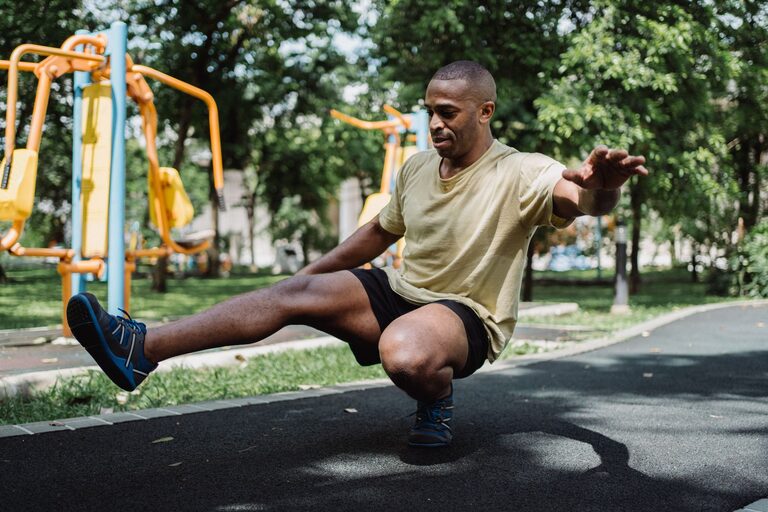
Balance is an important part of everyday movement. It helps you walk steadily, change direction, reach for objects, and feel more confident on your feet. The good news is that balance exercises do not require a gym or complicated equipment. A few minutes of regular practice can fit easily into your weekly routine.
The exercises below are simple, beginner-friendly, and easy to adjust. Use a sturdy chair, countertop, or wall nearby for support as you build confidence.
Balance depends on several skills working together, including strength, coordination, posture, and body awareness. Practicing balance can help you become more comfortable with movements you already do every day.
A balanced routine may also help you:
– Improve control during standing and walking
– Build awareness of your posture
– Strengthen muscles in your legs and core
– Practice steady, controlled movement
– Support confidence during daily activities
– Add variety to your regular workouts
Balance practice does not need to be long. Even five to ten minutes a few times per week can make your routine more interesting and purposeful.
Choose a clear, well-lit area with a stable surface. Keep a sturdy chair, countertop, or wall within easy reach. Avoid using furniture that can slide, roll, or tip.
Wear comfortable clothing and supportive shoes, or practice barefoot if the surface is safe and comfortable. Move slowly, breathe normally, and focus on control rather than speed.
Start with the easiest version of each exercise. As you become more comfortable, you can gradually reduce your use of support or increase the amount of time you hold a position.
If an exercise causes pain, dizziness, or unusual discomfort, stop and choose a gentler activity. Anyone with specific movement concerns should consider getting personalized guidance from a qualified fitness professional.
Weight shifts are a simple way to begin practicing balance. They help you notice how your body responds as your weight moves from side to side and forward to back.
You can also practice moving your weight slightly forward and backward without lifting your feet. Keep the movement small and controlled.
Standing on one leg is a classic balance exercise. Using support makes it easier to focus on posture and stability.
Try two or three rounds per side. Over time, you may be able to use only one fingertip for support. Keep your lifted foot close to the floor so you can place it down quickly if needed.
This exercise challenges balance while you move. It resembles walking along a narrow line, but you can make the steps as wide as necessary.
Keep your eyes looking forward instead of down at your feet. If the heel-to-toe position feels too difficult, leave a small space between each foot.
Sit-to-stand movements combine balance with leg strength and control. They are also useful because they reflect a common daily activity.
Try not to use your hands unless you need them for support. Focus on a smooth movement rather than speed. Choose a chair with a firm seat and avoid one that rolls.
Side steps help you practice moving in different directions. They can be performed beside a countertop or across an open room.
Keep your toes pointing forward and bend your knees slightly. Start with four to six steps in each direction. As you improve, you can add a gentle pause after each step to focus on control.
Heel raises strengthen the lower legs while giving you practice staying steady as your weight moves upward.
Keep your weight spread evenly across both feet. Avoid bouncing, and use a smaller range of motion if the full movement feels unsteady.
Marching in place adds movement and coordination to balance practice. It is easy to adjust for different fitness levels.
Keep your upper body tall and your movements controlled. For an easier version, lift each foot only slightly. For a greater challenge, pause briefly with each knee raised.
You can practice these exercises on their own or add them to a warm-up. Here is one simple schedule:
– Weight shifts: 30 to 60 seconds
– Supported single-leg stand: 2 rounds per side
– Sit to stand: 8 to 12 repetitions
– Heel raises: 10 to 15 repetitions
– Side steps: 4 to 6 steps in each direction
– Heel to toe walk: 8 to 12 steps
– Marching in place: 30 to 60 seconds
Rest between exercises as needed. The goal is consistent practice, not completing every exercise in one session.
Balance exercises can feel repetitive, so small changes may help you stay interested. Try practicing while listening to calm music, or add a few movements to your usual morning routine. You can also rotate exercises throughout the week instead of doing the same list every time.
As an exercise becomes easier, change only one factor at a time. You might hold the position a little longer, use less support, or add a few more repetitions. Keep a stable surface nearby and avoid making the exercise harder too quickly.
Balance improves with attention and repetition. Schedule short sessions at a time when you are alert and unlikely to be rushed. Focus on smooth movements, relaxed breathing, and steady posture.
Keep a record of the exercises you complete each week. Seeing regular practice on paper can make it easier to stay motivated. With a few simple movements and a safe setup, balance training can become a practical part of your weekly routine.
