
 11 August 2026
 Share
Share
1
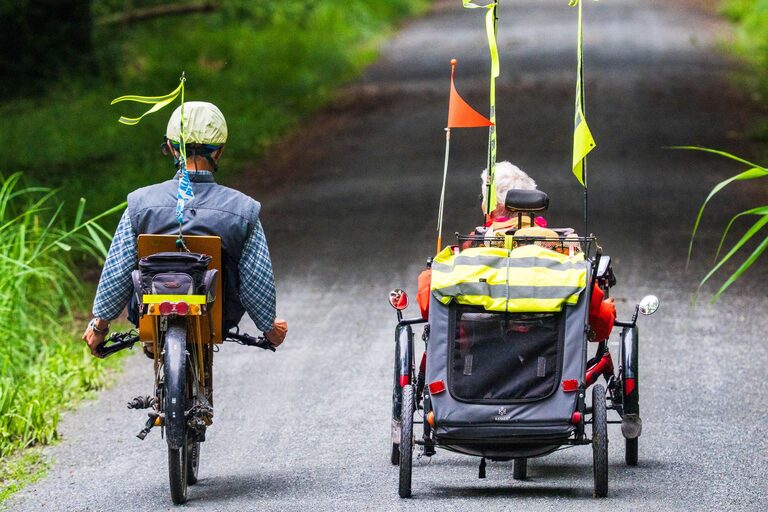
Staying active outdoors can be enjoyable at any age. For adults over 50, low-impact activities offer a way to move, explore, and spend time in nature without placing excessive stress on the joints.
Low-impact does not mean low-energy or boring. Many activities can provide a satisfying workout while allowing you to choose your own pace and level of challenge. Whether you enjoy peaceful scenery, friendly competition, or a reason to get out of the house, there is an outdoor option to match your interests.
Low-impact activities reduce the amount of jarring or pounding placed on the body. Unlike running or jumping-based workouts, they typically involve smoother, more controlled movements.
Outdoor activities can also offer benefits beyond physical movement. Time outside may help you:
– Enjoy a change of scenery
– Connect with friends and family
– Build a consistent activity routine
– Discover new parks and local destinations
– Reduce time spent sitting indoors
– Support balance, coordination, and confidence
The best activity is one you enjoy enough to do regularly. Start with a comfortable pace, pay attention to how you feel, and increase the length or difficulty gradually.
Walking is one of the simplest and most flexible outdoor activities. You can walk around your neighborhood, visit a local park, explore a nature trail, or stroll along a waterfront path.
A relaxed walk is a pleasant way to enjoy fresh air, while a brisk pace can make the activity more energizing. To vary your routine, try changing your route, walking with a friend, or setting a destination such as a farmers market or coffee shop.
– Explore a different neighborhood each week
– Join a local walking group
– Listen to music or an audiobook
– Walk through gardens, parks, or historic areas
– Add a few gentle hills when you feel ready
– Take photos of interesting views or wildlife
Choose comfortable shoes and paths that are suitable for your experience. If walking outdoors in warm weather, bring water and consider going during the cooler parts of the day.
Easy hiking can provide more variety than walking on paved streets. Trails may include gentle slopes, wooded paths, open meadows, or views of lakes and rivers.
Look for trails marked as easy or beginner-friendly. Before heading out, check the distance, surface, elevation changes, and available facilities. A shorter trail can still feel like a rewarding adventure.
For greater comfort and confidence:
– Carry water and a small snack
– Wear shoes with good traction
– Bring a light layer for changing weather
– Let someone know your route and expected return time
– Use walking poles if they help you feel steady
– Take breaks before you feel tired
Hiking with a companion can make the experience more social and may provide extra peace of mind when exploring an unfamiliar area.
Cycling is a low-impact way to travel farther while enjoying the outdoors. Traditional bicycles, comfort bikes, and recumbent bicycles can all be used for recreational riding.
Start on flat, low-traffic routes such as paved trails, quiet streets, or designated bike paths. Keep rides short at first, then add time as the activity becomes more comfortable.
Safety equipment is important. Wear a properly fitted helmet, use lights or reflective clothing when needed, and follow local cycling rules. Before a longer ride, check the tires, brakes, and chain.
If balance or hills are concerns, an electric-assist bicycle may make recreational riding more approachable. It can help with longer distances while still allowing you to pedal and enjoy the ride.
Water-based activities can be gentle on the body while offering a refreshing way to stay active. Options include kayaking, canoeing, stand-up paddleboarding, and recreational rowing.
For beginners, calm water and guided instruction can make the experience more comfortable. Choose properly fitted safety equipment, including a life jacket, and check weather and water conditions before setting out.
Kayaking and canoeing involve upper-body movement and steady coordination. You can also take frequent breaks, enjoy the scenery, and treat the outing as a relaxed nature experience rather than a race.
If you prefer a group setting, look for local clubs or recreation programs that offer introductory lessons and organized outings.
Golf provides a combination of walking, coordination, and time outdoors. You can play a full course, visit a shorter executive course, or spend time at a driving range or putting green.
Walking between holes adds movement to the game, while using a cart can help manage the total distance. Many courses also offer nine-hole options for a shorter outing.
Disc golf is another outdoor choice that combines walking with throwing. Courses are often located in parks, and players can adjust the pace to suit their preferences.
Both activities can be social and skill-based, making them enjoyable ways to stay active without focusing only on exercise.
Yoga does not need to take place in a studio. A quiet backyard, park, or beach can provide a pleasant setting for gentle movement and stretching.
Choose a stable, level surface and bring a mat or towel. Outdoor sessions can include standing poses, seated stretches, breathing exercises, and slow balance work.
A short routine may be enough to help you feel more mobile and refreshed. Avoid comparing your movements with others. Focus on controlled motion, comfortable positions, and steady breathing.
If practicing in a group, look for classes described as gentle, beginner-friendly, or suitable for older adults.
Gardening is an active outdoor hobby that combines light movement with a creative purpose. Planting, watering, weeding, pruning, and tending containers all involve different types of movement.
To make gardening more comfortable, use raised beds or containers that reduce the need to bend. Keep tools within easy reach, alternate tasks, and take breaks regularly. A lightweight kneeling pad or garden seat can also make a difference.
Container gardening is a good option for small spaces. You can grow flowers, herbs, or vegetables on a patio, balcony, or sunny windowsill.
Friendly games can add variety and motivation to an outdoor routine. Consider activities such as pickleball, croquet, lawn bowling, shuffleboard, or bocce.
Many of these games allow players to control the pace and take breaks between rounds. They also offer opportunities to meet people and build a regular social habit.
When trying a new activity, begin with a casual session or introductory class. Learning the basic rules and techniques can make the experience more enjoyable and help you decide whether it suits your interests.
Before any activity, begin with a few minutes of easy movement. This may include a relaxed walk, shoulder rolls, or gentle leg movements. Afterward, slow down gradually rather than stopping suddenly.
Plan around the weather. Wear breathable layers, protect yourself from the sun, and bring water on longer outings. Pay attention to uneven surfaces, traffic, insects, and other conditions that may affect your route.
Most importantly, choose activities that fit your current comfort level. An enjoyable 20-minute outing is a strong starting point. Over time, you can add distance, time, variety, or new challenges.
Low-impact outdoor activities can support an active, enjoyable lifestyle while giving you many ways to explore your community and connect with others. Try several options, from walking and gardening to cycling and easy hiking, and notice which ones leave you feeling refreshed and motivated.
With a comfortable pace, thoughtful planning, and a spirit of curiosity, outdoor movement can remain a rewarding part of life well beyond age 50.
