
 11 August 2026
 Share
Share
1
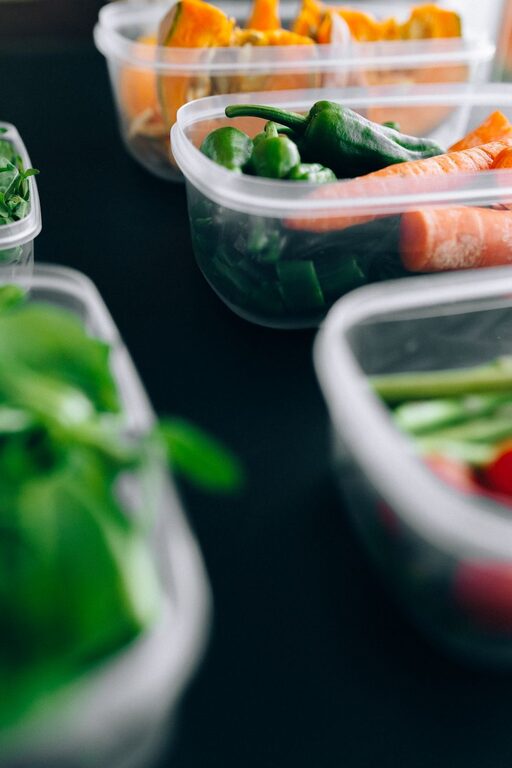
Planning meals for a busy week does not have to mean cooking elaborate recipes every day. A simple system can help you save time, reduce food waste, and make it easier to enjoy balanced meals at home.
The key is to create habits that fit your schedule. Instead of aiming for a perfect plan, focus on a flexible routine that helps you make fewer last-minute decisions.
Before choosing recipes, look at the week ahead. Identify busy evenings, relaxed days, planned activities, and meals away from home. This gives you a realistic picture of how much cooking you can manage.
For example, you might have:
Match your meals to your schedule. Save quick recipes for busy nights and choose meals that can be prepared in advance when your calendar is full. On slower days, make a larger batch that can support another meal later in the week.
A useful meal plan does not need to include seven completely different dinners. Repeating ingredients and using leftovers can make planning easier.
Try building meals around a few basic parts:
This formula can be adapted to breakfast, lunch, and dinner. For example, roasted vegetables can be served with rice one night, added to a wrap the next day, and mixed into eggs later in the week.
You may not need to plan every meal in detail. Start with three or four main meals and leave room for leftovers, simple combinations, or meals made from pantry items.
A flexible weekly plan might include:
This approach reduces pressure and gives you options when plans change.
Keep a list of meals that your household enjoys and can prepare without much effort. Organize the list by cooking time, such as 15-minute meals, one-pot meals, make-ahead meals, and freezer-friendly options.
Your list might include:
Having familiar choices makes meal planning faster. You can also rotate recipes by season to keep meals interesting and use ingredients when they are widely available.
A grocery list helps you stay organized and avoid buying ingredients that may go unused. Divide your list into categories such as produce, proteins, grains, dairy or alternatives, pantry items, and frozen foods.
Before shopping, check what you already have. Look for ingredients that need to be used soon and build one or two meals around them. This small step can reduce waste and lower your grocery bill.
When writing your list, include the amount needed for each recipe. If an ingredient can be used in several meals, note that as well. For example, a large container of greens might be used for salads, sandwiches, and cooked dishes.
Convenience foods can be part of a practical meal plan. Choose options that save time without making the entire meal feel complicated.
Useful shortcuts include:
Using a few prepared ingredients can make it easier to assemble a meal on a busy evening.
Meal prep does not always require preparing several complete meals at once. For many people, preparing ingredients is more flexible.
During a short prep session, you might:
Store prepared ingredients in clearly labeled containers. Keep foods you plan to use soon in an easy-to-see place in the refrigerator. This can help you remember what is available before buying or ordering more food.
A short routine can work better than one long preparation session. For example, spend 30 to 45 minutes on the weekend preparing a few basics. Then take 10 minutes during the week to refresh produce, assemble lunches, or prepare the next meal.
This method is easier to maintain because it spreads the work across the week.
Leftovers are one of the easiest ways to save time, but they work best when planned. Cook a larger amount of a meal that stores well, such as chili, soup, roasted vegetables, or a grain-based dish.
You can also prepare ingredients that can be used in different ways. Leftover roasted chicken might become a sandwich, salad topping, or filling for a grain bowl. Cooked vegetables can be added to soup, pasta, eggs, or wraps.
To keep leftovers appealing, change the presentation or add a new sauce, topping, or side dish. Store portions in serving-size containers when possible so they are easy to grab for lunch.
Even the best plan can be interrupted by a late meeting, an unexpected errand, or a change in family plans. A few backup meals can prevent you from starting from scratch.
Consider keeping these options available:
Backup meals should be easy, familiar, and made from ingredients you are likely to use. Review these supplies regularly and replace items before they run out.
A meal-planning routine should support your life, not add unnecessary stress. Start with one planning day, a short recipe list, and a few reliable meals. As the habit becomes easier, you can add more variety.
At the end of each week, take a few minutes to consider what worked. Ask yourself:
Use the answers to adjust your plan. A successful routine is not about following a perfect schedule. It is about making healthy, satisfying meals more convenient during the busiest parts of the week.
