
 11 August 2026
 Share
Share
1

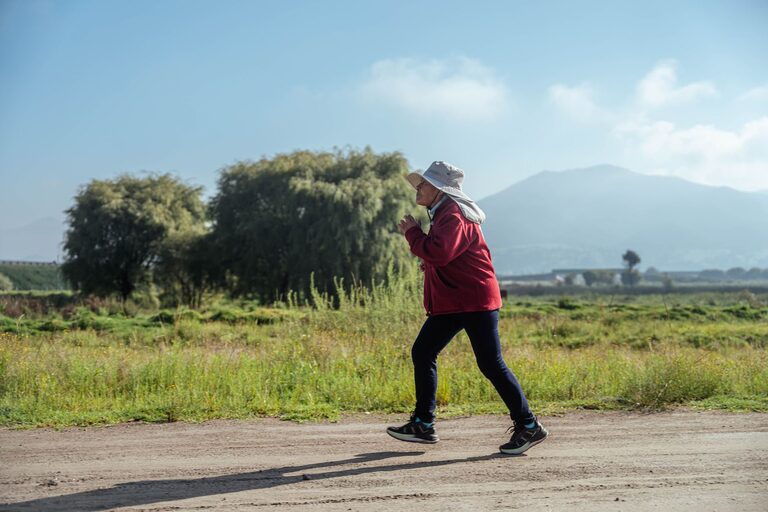
Walking is one of the simplest ways to become more active and build daily stamina. It requires little equipment, fits many schedules, and can be adapted to your current fitness level. The key is to begin with manageable routes and gradually add time, distance, or gentle challenges.
A good walking routine should feel realistic, comfortable, and easy to repeat. Instead of trying to walk as far as possible on the first day, focus on creating a habit that you can maintain throughout the week.
Stamina is your ability to continue an activity without tiring too quickly. Regular walking can help you become more comfortable with longer periods of movement. Over time, you may notice that familiar routes feel easier, your pace becomes steadier, and you recover more quickly after a walk.
Building stamina does not require every walk to be difficult. Consistent, moderate walks are often more useful for beginners than occasional long walks that leave them exhausted. Think of each outing as practice for the next one.
The best beginner route is one that is easy to access and easy to leave if you need a break. A familiar area can also make it easier to measure your progress.
Consider these route options:
– A quiet residential block
– A local park loop
– A school or community track
– A shopping center with a safe walking area
– A paved trail near your home
– A route through a botanical garden or public green space
– A short out-and-back path along a familiar street
For your first walks, choose a route that takes about 10 to 20 minutes. If you are unsure how long that will take, walk for a set amount of time instead of aiming for a specific distance. This allows you to turn around whenever needed.
An out-and-back route is especially useful for beginners. Walk away from your starting point for half of your planned time, then turn around and return. For example, a 20-minute walk could include 10 minutes going out and 10 minutes coming back.
This format helps you avoid accidentally walking too far from home. It also makes progress easy to track. As your stamina improves, you can extend the turnaround time by a few minutes.
A loop route brings you back to your starting point without repeating the same path. A loop of 10 to 15 minutes is a comfortable option for a first week. You can repeat the loop once or add a second loop later.
Short loops are convenient because you can stop after one round or continue if you feel comfortable. They also make it easier to compare how you feel from one walk to the next.
Different routes offer different levels of variety and challenge. Try several options to keep your routine interesting.
Walk through nearby streets and notice homes, gardens, public art, or local businesses. Keep the route mostly flat at first and choose sidewalks or paths with enough space.
To make the route more engaging, create a simple theme for each walk. You might look for interesting trees, colorful doors, or new places you have not noticed before. A changing focus can make a familiar route feel fresh.
Parks often provide quiet paths, benches, shade, and open space. Start with one short loop and take a brief pause if needed. As you become more comfortable, add another loop or choose a path with a gentle incline.
A park route can also support a steady walking rhythm. Try to walk at a pace that allows you to speak in short sentences without feeling rushed.
A community or school track provides a clear, measured route. The flat surface and repeated laps make it easy to monitor progress without using a phone or fitness tracker.
Begin with one or two laps at a comfortable pace. Later, add one lap at a time. You can also vary the experience by walking one lap slowly and one lap at a slightly quicker pace.
Turn a practical trip into a walking opportunity. Walk to a nearby store, library, café, or post office if the route is safe and convenient. Carrying a small item on the way home can add a little extra effort, but keep the load light and comfortable.
Errand walks are useful because they connect exercise with daily life. When walking serves a purpose, it may feel easier to fit into a busy schedule.
A paved or well-maintained trail can provide a relaxing change of scenery. Choose a short section for your first visit and check the surface, lighting, and available facilities before you begin.
If the trail includes hills, keep your first outing brief. Gentle slopes can add variety, but there is no need to seek steep climbs while you are still establishing your routine.
A simple schedule can help you build consistency without doing too much too soon. Here is one example:
– Week 1: Walk for 10 to 15 minutes on four days.
– Week 2: Walk for 15 to 20 minutes on four or five days.
– Week 3: Walk for 20 to 25 minutes on four or five days.
– Week 4: Walk for 25 to 30 minutes on five days.
You can repeat a week if it feels appropriate. Progress does not have to happen every few days. The goal is to create a routine that feels sustainable.
If you miss a walk, simply continue with the next planned outing. Avoid trying to make up for missed time with an unusually long walk.
Your walking pace should match your current ability. Begin with a few minutes at an easy pace, then settle into a comfortable rhythm. Near the end, slow down again for a few minutes.
A useful guide is the conversation test. If you can speak comfortably while walking, the pace is likely manageable. If you can only say a few words before needing to pause, slow down or take a break.
You can also use simple pace changes:
As your stamina grows, extend the steady portion by a few minutes.
Small preparations can make walking more enjoyable:
– Wear comfortable shoes that fit well.
– Choose weather-appropriate clothing.
– Carry water when you expect to be out for a longer period.
– Walk in well-lit areas when visibility is limited.
– Follow local traffic and path rules.
– Let someone know your route if you are walking in an unfamiliar place.
– Keep your phone charged if you use it for directions or emergencies.
– Pay attention to changing surfaces, traffic, and other people using the route.
Bring a light layer if the weather may change. For outdoor routes, consider the time of day, shade, and access to restrooms or benches.
Tracking can make small improvements easier to see. Record the date, route, walking time, and how the walk felt. You might also note the weather or whether the route included hills.
Look for signs of progress such as:
– Walking for a few extra minutes
– Taking fewer pauses
– Feeling more comfortable on a familiar route
– Maintaining a steadier pace
– Enjoying longer or more varied routes
The most important measure is consistency. A short walk completed regularly can be more valuable than a long walk that is difficult to repeat.
Attach your walk to an existing part of your day. You might walk after breakfast, during a lunch break, or after dinner. Preparing your shoes and clothing in advance can remove one more barrier.
Invite a friend, listen to music at a safe volume, or explore a new route once a week. Keep a few backup options available for busy days, such as a short indoor walk through a shopping center or a 10-minute loop close to home.
Start small, stay patient, and let your routes grow with your confidence. With regular practice, everyday walking can become a comfortable and enjoyable way to build daily stamina.
