
 11 August 2026
 Share
Share
1
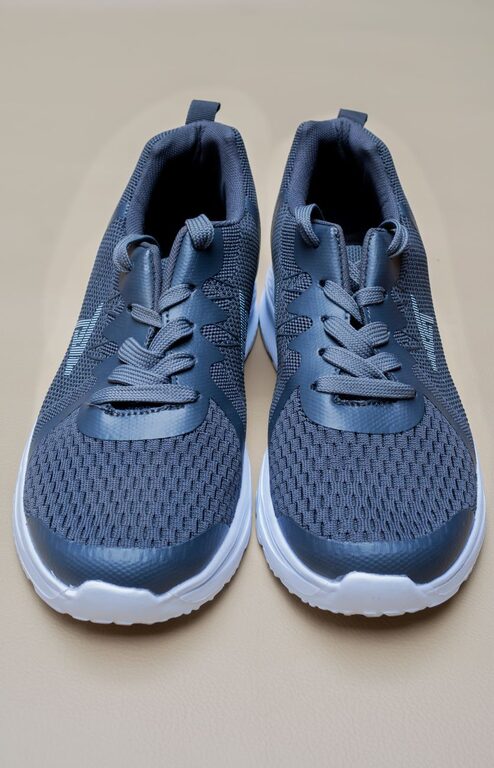
Walking shoes are part of daily life for many people. Whether you walk to work, run errands, travel, or enjoy a stroll around the neighborhood, the right pair can make each step feel easier. Comfortable shoes do more than look good—they should fit well, move naturally, and suit the surfaces and activities you encounter.
With so many styles available, choosing the best pair can feel overwhelming. A few simple checks can help you compare shoes with confidence and avoid common fit problems.
Before shopping, think about how and where you usually walk. A shoe designed for city sidewalks may not be the best choice for long walks on park trails. Your daily routine should guide the style, materials, and level of support you need.
Consider these questions:
– How many hours will you wear the shoes each day?
– Will you walk mostly indoors, on sidewalks, or on uneven paths?
– Do you need shoes for warm, cold, wet, or changing weather?
– Will you use them only for walking, or also for work and errands?
– Do you prefer a lightweight shoe or a more structured design?
For regular city walking, look for shoes with a flexible sole, secure fit, and enough cushioning for hard surfaces. For mixed terrain, choose a sturdier outsole with good grip and added protection around the toes and sides.
Fit is one of the most important parts of shoe comfort. A well-made shoe will not feel comfortable if it is too narrow, too loose, or the wrong shape for your foot.
Feet can change slightly in size throughout the day. They are often a little larger later in the day after you have been standing or walking. Try on shoes in the afternoon or evening for a more realistic fit.
Wear the type of socks you plan to use with the shoes. Thick hiking socks and thin dress socks can create a noticeably different fit.
There should be a small amount of space between your longest toe and the front of the shoe. Your toes should not touch the end when you stand or walk. At the same time, the shoe should not be so long that your foot slides forward.
Walk around while trying on the shoes. Pay attention to whether your toes have room to move and whether your heel stays in place. A shoe that feels fine while sitting may feel very different after several minutes of walking.
Your foot should sit comfortably inside the shoe without pressure along the sides. Look for a shape that follows the natural width of your foot, especially around the toe area.
Avoid relying on the idea that shoes will become comfortable after a long break-in period. Some materials may soften slightly, but strong pressure, rubbing, or pinching usually means the fit is not right.
The design of a shoe affects how it feels during everyday use. Pay attention to several basic features rather than focusing on appearance alone.
The front part of the shoe should bend naturally as you take a step. Try gently flexing the shoe with your hands. It should bend near the area where your toes and the front of your foot move, rather than folding completely in the middle.
A shoe that is too stiff may feel restrictive during casual walking. However, a little structure can be useful if you want a more secure, supportive feel.
Cushioning helps soften the feel of firm surfaces. The right amount depends on your personal preference. Some people enjoy a soft, padded feel, while others prefer a firmer and more stable sole.
Do not assume that more cushioning always means more comfort. Very soft shoes can feel unstable to some walkers, while very firm shoes may feel harsh. Walk in several pairs and compare how naturally each one feels.
The heel should stay in place without being squeezed. Excessive movement can cause rubbing, while a tight heel can become uncomfortable over time.
Try walking up and down a few steps if possible. Your heel should remain comfortably seated, and your foot should not slide forward with each step.
For everyday wear, breathable materials can help keep your feet more comfortable. Mesh and other ventilated fabrics often allow more airflow than heavy, non-breathable materials.
If you frequently walk in wet conditions, look for water-resistant materials or a design that dries easily. Keep in mind that highly water-resistant shoes may offer less airflow, so choose based on your usual weather and walking environment.
The outsole is the part of the shoe that meets the ground. Its pattern and material affect traction, durability, and comfort.
For sidewalks and indoor floors, a moderate tread may be enough. If you walk on gravel, grass, or uneven paths, choose a sole with deeper patterns and reliable grip. A flat, smooth sole may feel comfortable indoors but can be less secure on loose or wet surfaces.
Check whether the sole feels stable when you turn and stop. The shoe should help you move confidently without feeling heavy or awkward.
Lightweight shoes can feel easy to wear during long days, especially when you walk frequently. Heavier shoes may provide more structure and durability, but they can feel tiring if you are not used to them.
Hold each shoe in your hand and walk around the store. Consider whether the weight feels balanced. A shoe should not make you work harder than necessary to lift and move your feet.
The best choice is not always the lightest option. Look for a balance between low weight, comfort, stability, and the type of walking you do.
Many people have one foot that is slightly larger than the other. Always try on both shoes and judge the fit based on the larger foot.
Stand, walk, turn, and sit while wearing the shoes. If you shop online, review the store’s sizing guide and return policy before ordering. Customer reviews can offer useful information about whether a model runs small, large, narrow, or wide, but personal fit remains the most important factor.
Avoid choosing a size based only on the number printed inside the shoe. Sizes can vary between brands and styles.
Everyday shoes are often worn with different types of clothing. A versatile color and simple design may make the shoes easier to use for work, travel, and casual activities.
Neutral colors such as black, gray, navy, brown, or white can pair with many outfits. If you already own several practical pairs, you may choose a brighter color or a more casual style for variety.
Comfort and function should come first, but a design you enjoy wearing is more likely to become a regular part of your routine.
Even well-fitting shoes may feel different during a full day of walking. Start by wearing a new pair for shorter periods at home or during brief errands. This gives you time to notice rubbing, pressure, slipping, or other fit concerns.
Keep the original packaging and check the store’s return policy until you are confident in the shoes. If discomfort appears quickly and does not improve, consider exchanging the pair rather than hoping it will disappear.
Before buying everyday walking shoes, confirm that:
– Your toes have room to move.
– The shoe does not pinch or press along the sides.
– Your heel stays in place while walking.
– The sole bends naturally near the front.
– The cushioning feels comfortable to you.
– The outsole suits the surfaces you use.
– The materials match your usual weather.
– You can walk naturally without extra effort.
The most comfortable walking shoes are the ones that fit your feet, match your routine, and feel secure from the first wear. By focusing on fit, flexibility, cushioning, grip, and practical design, you can choose a pair that supports comfortable everyday movement.