
 11 August 2026
 Share
Share
1
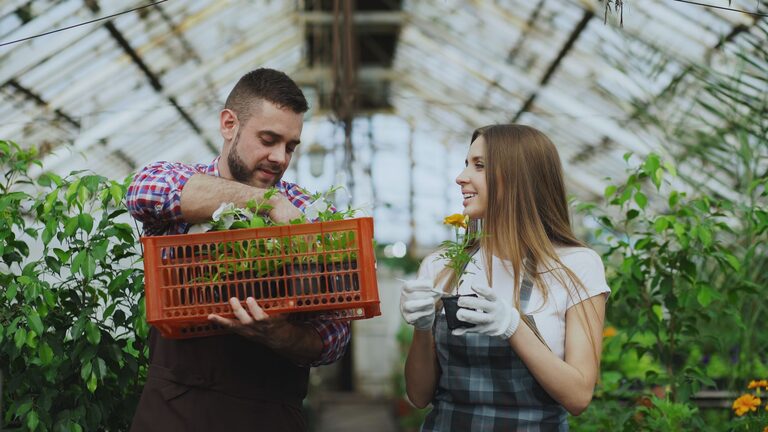
Gardening is a year-round activity, even when the weather changes. Each season brings new tasks, from preparing soil and planting seeds to gathering leaves and planning next year’s garden. With a few practical projects, you can stay active outdoors while keeping your garden healthy and inviting.
The best projects do not need to be complicated. A small planting bed, a container garden, or a simple compost area can provide plenty to do. Choose tasks that match your space, tools, and local climate, then adjust your plans as the seasons change.
Spring is a natural time to wake up the garden. As the soil becomes workable, focus on cleaning, planning, and planting.
Start by clearing away fallen branches, old annual plants, and other winter debris. Pull weeds while they are still small, and remove damaged stems from shrubs and perennials. Add a layer of compost to garden beds, then gently mix it into the top layer of soil if appropriate for your plants.
Avoid working soil when it is very wet. Soil that sticks heavily to tools or forms dense clumps may need more time to dry. Waiting can help protect its texture and make digging easier.
Create a small bed for flowers, herbs, or vegetables. You can define the space with stones, untreated wood, or a simple garden border. Before digging, observe how much sunlight the area receives during the day. Choose plants that match those conditions.
A beginner-friendly spring project might include:
– Marking a bed with a garden hose or string
– Removing grass and weeds
– Loosening the soil
– Adding compost
– Creating planting rows or groups
– Installing a simple border
Keep the design manageable. A compact bed is easier to plant, water, and maintain than a large area that quickly becomes overwhelming.
Starting seeds indoors can make spring feel productive even when outdoor conditions are still cool. Use clean containers, seed-starting mix, and labels to track each variety. Place seedlings near a bright window and turn the containers occasionally so plants grow evenly.
If you prefer a simpler project, refresh a few containers. Wash old pots, replace tired potting mix, and group plants with similar sunlight and watering needs. A collection of containers can add color to a porch, balcony, or patio.
Summer gardening often centers on regular care. Plants grow quickly, weeds return, and warm weather can make watering a daily responsibility.
Check plants in the morning or evening, when temperatures are usually milder. Water the soil near the base of plants rather than spraying leaves. Containers may need more frequent attention because they dry out faster than garden beds.
A simple watering project can make summer care easier. Add a rain barrel where permitted, organize hoses on a wall-mounted holder, or place a watering can near the area that needs the most attention. Keep tools in a weather-resistant storage box so they are easy to reach.
Mulching is one of the most useful summer projects. Spread a layer of organic mulch, such as shredded leaves, straw, or wood chips, around plants. Keep mulch a few inches away from plant stems and tree trunks.
Mulch can give beds a neat appearance and help reduce the amount of exposed soil. It also makes routine weeding easier because small weeds are simpler to spot and remove.
Picking herbs, vegetables, and flowers provides a reason to visit the garden often. Harvest leafy greens regularly, gather herbs before they flower when appropriate, and pick ripe produce promptly.
Turn harvesting into a small organizing project by setting up a clean basket or table near the garden. You can also dry herbs, freeze extra produce, or share a surplus with friends and neighbors. Keep notes about what grew well and what needed more space or water. These observations will help with future planning.
Choose one summer improvement rather than trying to change everything at once. You might build a trellis for climbing plants, add stepping stones, or create a small seating area. A trellis can support beans, cucumbers, flowering vines, or other plants that benefit from vertical space.
Fall offers cooler temperatures and many opportunities to tidy and improve the garden. It is also a good season for thoughtful preparation.
Rake leaves from lawns, paths, and planting beds. Instead of treating all leaves as waste, use them in a compost pile or shred them for use as garden mulch. Remove diseased plant material and dispose of it according to local guidelines.
Create a simple compost area using a purchased bin or a basic enclosure made from wire mesh. Add a balanced mix of dry materials, such as leaves and small twigs, along with green materials, such as plant trimmings and vegetable scraps. Turn the pile occasionally to help the materials break down.
Fall is a good time to plant many spring-flowering bulbs. Select a location with suitable light and well-draining soil, then follow the depth and spacing instructions for each bulb.
You can also grow cool-season crops such as lettuce, kale, radishes, or certain herbs. Use containers if you have limited space. Cover tender plants during an unexpected cold night when needed, and choose varieties suited to your area.
Some established perennials benefit from being divided when they become crowded. Dig around the plant, lift it carefully, and separate healthy sections with roots attached. Replant the divisions promptly and water them well.
This project can create more plants without purchasing additional ones. It also gives you a chance to move plants that have outgrown their current location or need different light conditions.
Winter may slow outdoor growth, but it does not have to end your gardening routine. Use the colder months for planning, maintenance, and indoor projects.
Review your notes from the growing season. Make a simple map showing where crops and flowers grew, then consider rotating plant families to different areas next year. Order seeds early, make a shopping list, and sketch possible changes to beds and containers.
Create a seasonal checklist with tasks such as pruning, planting, fertilizing, and harvesting. A calendar can help spread projects throughout the year instead of concentrating them into a few busy weekends.
Clean soil from shovels, pruners, trowels, and other tools. Dry metal surfaces thoroughly and apply a light protective coating if recommended by the manufacturer. Sharpen cutting tools carefully or have them serviced.
Organize tools by frequency of use. Hang long-handled tools together, store small hand tools in a bin, and label boxes of plant ties, stakes, and garden twine. A well-organized shed makes every future project easier.
Bring gardening inside with herbs on a sunny windowsill, houseplant cuttings, or a small indoor seed-starting station. Rotate pots so plants receive even light, and check leaves and soil regularly.
You can also make plant labels, decorate containers, or build a simple shelf for seedlings. These small projects keep your hands busy while preparing for the next outdoor season.
Year-round gardening does not require a large yard or a long list of chores. Choose one project for each season, break larger tasks into short sessions, and leave room for rest and observation. By building a steady routine, you can keep improving your garden while enjoying meaningful time outdoors throughout the year.
